

 See My Latest Article on HelloNation

What should you do immediately after a car accident?
After a car accident, first protect people from further harm, then document what happened and notify the appropriate authorities and insurers. Avoid arguing about fault or making promises about payment at the scene.
If the crash occurs on a busy street, near an intersection, or during poor visibility, move the vehicle only if it is safe and legal to do so. Turn on hazard lights, use warning devices if available, and stay alert for passing traffic. During Utica winters, snowbanks, ice, reduced daylight, and slippery shoulders can make a seemingly minor collision more dangerous.
Call emergency services when anyone is injured, a driver appears impaired, a vehicle cannot be safely moved, or the crash is creating a traffic hazard. Do not move an injured person unless remaining in place creates an immediate danger, such as fire or oncoming traffic.
What information should drivers exchange?
Exchange basic identifying and insurance information with the other driver. Record:
- Full names and contact information
- Driver’s license numbers
- Vehicle year, make, model, and plate numbers
- Insurance company names and policy information
- Vehicle owner’s name if different from the driver
- Names and contact information for passengers and witnesses
- The location, date, and approximate time of the crash
Take clear photographs of the vehicles, license plates, roadway, traffic controls, lane markings, debris, visible injuries, and surrounding conditions. In the area, photographs showing snow, ice, potholes, poor visibility, or obstructed signs may help document conditions that are difficult to remember later.
Do not rely only on the police report. A report may contain useful observations, but it may not include every detail, photograph, witness statement, or later-discovered symptom.
When must a crash be reported in New York?
New York requires a driver to file a report with the Department of Motor Vehicles within 10 days when a crash causes a death, personal injury, or more than $1,000 in property damage to any one person’s property. The required form is generally the MV-104.
The $1,000 threshold applies to the property of one person, not necessarily the combined damage to all vehicles and objects involved. If there is uncertainty about the amount of damage, reporting promptly is safer than assuming the threshold was not met.
A police report and a DMV report are not the same thing. Police may respond to the scene and prepare an accident report, while the driver may still have a separate obligation to file the DMV form.
When should you notify your insurance company?
Notify your insurer as soon as reasonably possible, even if the damage appears minor or another driver says they will pay. Insurance policies commonly require prompt notice, and waiting can make it harder to investigate the loss.
Provide factual information:
- Where and when the accident occurred
- Which vehicles and people were involved
- Whether anyone was injured
- Whether police or emergency services responded
- A general description of the damage
- The other driver’s insurance information
- Whether the vehicle can be driven safely
Avoid guessing about speed, distance, fault, or the seriousness of an injury. A useful statement is, “I am reporting what happened, and the facts are still being reviewed.” Do not conceal information, exaggerate damage, or agree to an informal payment before understanding the full extent of the loss.
How does New York no-fault insurance apply?
New York’s no-fault coverage is designed to pay certain economic losses caused by accident-related injuries, regardless of who caused the crash. These losses can include reasonable medical expenses, a portion of lost earnings, and certain necessary expenses.
A no-fault claim generally must be reported in writing within 30 days of the accident unless there is a legally recognized justification for late notice. The claim is usually filed with the insurer covering the vehicle occupied at the time of the crash. A pedestrian generally files through the insurer of the vehicle that struck them.
No-fault insurance does not pay to repair the vehicle. Vehicle damage is generally handled through collision coverage, the at-fault driver’s property-damage liability coverage, or another applicable part of the policy.
A person who feels fine immediately after a crash should still pay attention to symptoms that appear later. Neck pain, headaches, back pain, dizziness, and soreness may develop hours or days afterward. Medical records should clearly state that treatment relates to a motor vehicle accident.
What coverage pays for vehicle damage?
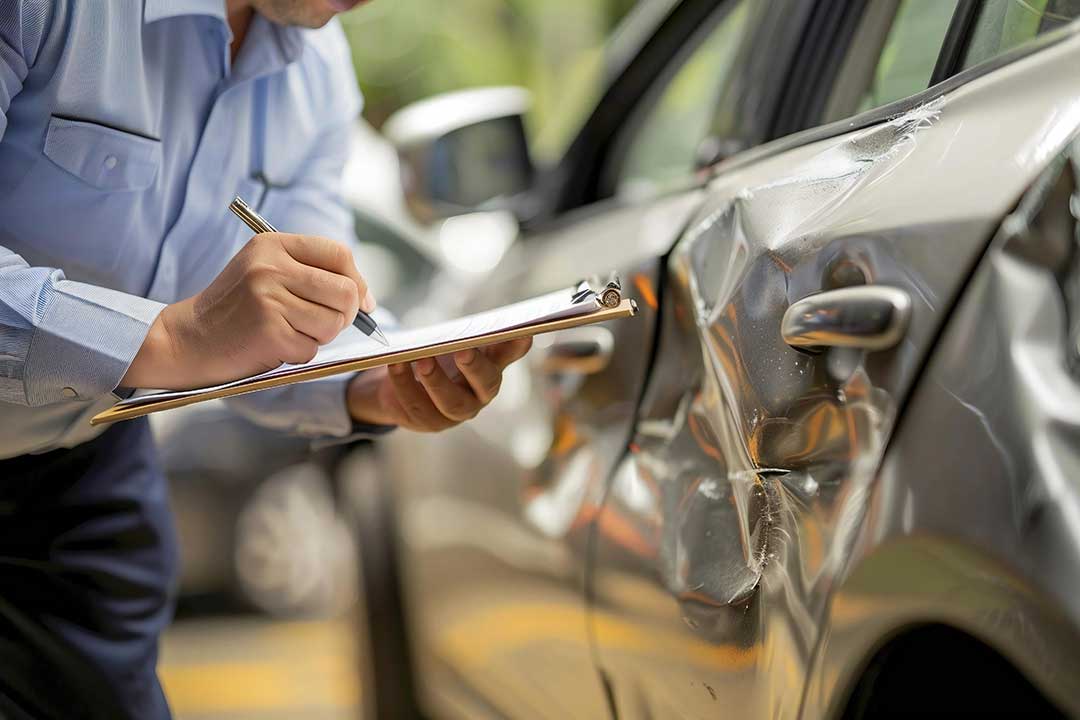
The answer depends on the policy and who was responsible for the crash.
Collision coverage may pay for damage to the insured vehicle, subject to the deductible, even when the insured driver caused the accident. If the other driver was responsible, a claim may be made against that driver’s property-damage liability coverage. Fault may affect how much can be recovered when responsibility is shared.
If a vehicle is not drivable, ask the insurer about towing, storage, rental transportation, and any limits or authorization requirements. Do not allow a damaged vehicle to remain in storage indefinitely without confirming who is responsible for the charges.
An insurer may inspect the vehicle and prepare an estimate, but the estimate is not necessarily the final cost if hidden damage is discovered during repairs. Keep copies of estimates, photographs, receipts, rental records, and all claim correspondence.
Can you choose the repair shop?
New York residents generally retain the right to choose the repair shop for covered vehicle damage. An insurer may provide a list or identify a shop that will repair the vehicle for the insurer’s estimated amount, but that does not automatically require the vehicle owner to use that shop.
Before authorizing repairs, ask whether the estimate includes original, aftermarket, or used parts; whether there is a warranty; how supplemental damage will be handled; and whether the deductible is due directly from the vehicle owner.
Do not sign a release stating that all claims are resolved until repairs are complete and injury-related issues are understood. A release can affect the ability to seek additional payment later.
What if the other driver is uninsured or leaves the scene?
Report a hit-and-run to the police promptly and provide every available detail, including the direction of travel, vehicle description, plate information, and photographs. Do not follow a fleeing vehicle if doing so would create a safety risk.
Uninsured-motorist coverage may help with certain injuries caused by an uninsured or unidentified driver. Coverage rules and notice requirements can be strict, so notify the insurer promptly and preserve evidence from the scene.
If there is no applicable household auto policy, additional state procedures may apply for certain injury claims involving uninsured or hit-and-run drivers. These situations require especially careful attention to deadlines and documentation.
What records should you keep after the accident?
Create a single accident file containing:
- The police and DMV report information
- Claim numbers and adjuster communications
- Photographs and video
- Medical bills and appointment records
- Wage-loss documentation
- Repair estimates and invoices
- Towing, storage, rental, and transportation receipts
- Notes about symptoms, missed work, and conversations
Keep a written timeline beginning with the crash. Record when the claim was reported, when the vehicle was inspected, what payments were offered, and any unanswered questions.
The most common insurance problems after a collision are delayed notice, incomplete documentation, overlooked injuries, and assumptions that a verbal agreement settles the matter. Prompt reporting and careful records help preserve the facts while the claim is being evaluated.